Free Child Abuse and Neglect Course

Child Abuse and Neglect Training

Beginner level 3.0 learning hrs 5 Learners

The free child abuse and neglect course explains how to recognize concerns and record observations clearly. Start learning to understand reporting roles and communicate clearly when a child's safety needs professional attention.

Key Highlights

Get free course content

Master in-demand skills & tools

Test your skills with quizzes

About this course

In this free child abuse and neglect course, you learn how warning signs, observations, and reporting responsibilities fit together. The opening lessons distinguish forms of maltreatment and introduce the factors that can increase or reduce risk. Child abuse recognition training then examines physical and behavioral indicators, helping you understand why careful attention and clear records matter when a concern arises.


Child safeguarding lessons also consider how trauma may affect communication. You study listening and nonleading questions alongside the roles of professionals involved in a response. Reporting topics introduce CAPTA and differences among US state requirements, showing why guidance must be checked for your role and location. Documentation and prevention lessons give you a foundation for understanding an organization's child-protection process. This introductory course develops awareness rather than investigative or clinical competence.

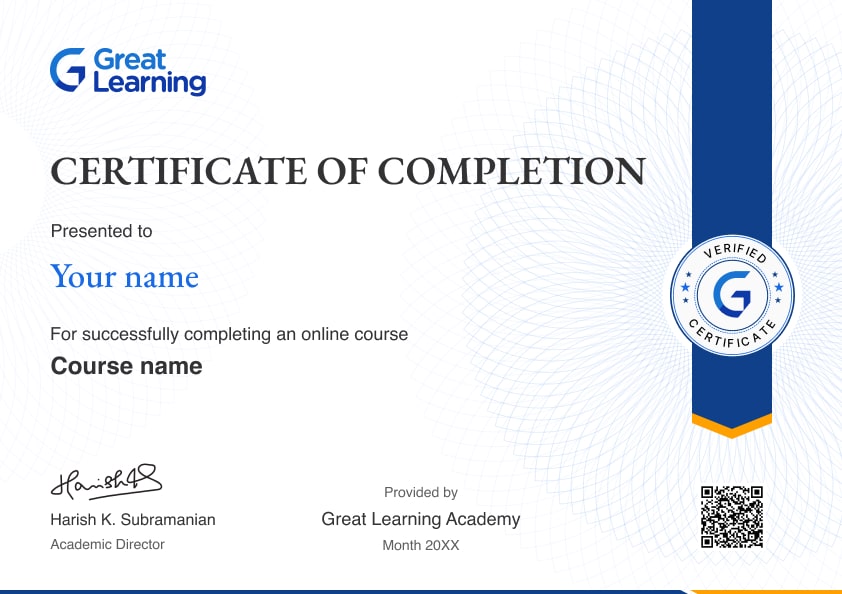
Stand out with an industry-recognized certificate

10,000+ certificates claimed, get yours today!

Get noticed by top recruiters

Share on professional channels

Globally recognised

Land your dream job

Certificate Image

Course outline

Understanding Child Abuse and Neglect Fundamentals

In this module, you'll learn CAPTA's federal definitions of maltreatment, the four major types of child abuse and neglect, national prevalence data, the ecological model of risk, protective factors, and the role of state child welfare agencies.

Recognizing Physical Abuse and Neglect Indicators

In this module, you'll learn physical injury patterns, behavioral red flags, physical neglect, medical neglect, educational neglect, emotional neglect, and how to distinguish abusive injuries from accidental injuries.

Identifying Sexual Abuse and Emotional Maltreatment

In this module, you'll learn physical and behavioral signs of sexual abuse, grooming tactics, psychological maltreatment, patterns of verbal abuse, disclosure dynamics, and the developmental impact of emotional abuse.

Examining Risk Factors and Childhood Trauma

In this module, you'll learn the Adverse Childhood Experiences (ACEs) study, individual and family risk factors, toxic stress, trauma-informed care principles, protective factors, and the long-term consequences of childhood trauma.

Navigating Mandated Reporting Laws and Responsibilities

In this module, you'll learn who qualifies as a mandated reporter, CAPTA reporting standards, state reporting variation, the reasonable suspicion standard, reporter immunity, penalties for failure to report, and confidentiality rules.

Building an Effective Child Protective Services Report

In this module, you'll learn documentation practices, hotline reporting procedures, non-leading questioning techniques, forensic interviews, Child Advocacy Centers, the CPS investigation process, and multidisciplinary team collaboration.

Addressing Abuse in Special Populations and Settings

In this module, you'll learn maltreatment risk in foster care, institutional abuse, child sex trafficking indicators, medical child abuse, abuse risk among children with disabilities, online exploitation, and cultural competency.

From Intervention to Prevention: Sustaining Child Safety

In this module, you'll learn child safety planning, multidisciplinary case management, primary and secondary prevention programs, organizational child protection policies, outcome monitoring, and self-care for frontline professionals.

Get access to the complete curriculum once you enroll in the course

Child Abuse and Neglect Training

3.0 Hours

Beginner

5 learners enrolled so far

Get free course content

Master in-demand skills & tools

Test your skills with quizzes

Trusted by 10 Million+ Learners globally

Frequently Asked Questions

Which forms of maltreatment are covered in the free child abuse and neglect course?

You study physical, sexual, and emotional abuse alongside different forms of neglect. The lessons introduce how these concerns are described so you can follow child-protection discussions and understand the need for assessment.

How does child abuse recognition training approach warning signs?

You examine physical and behavioral indicators and the context surrounding an observation. The aim is to recognize a concern that needs attention, while understanding that a single sign does not establish what happened.

What distinctions will I learn about neglect?

The course differentiates physical, medical, educational, and emotional neglect. You consider the needs involved in each category, developing a clearer vocabulary for communicating concerns to the appropriate professionals.

Why are childhood adversity and protective factors studied together?

You examine how adverse experiences and family or community support can affect a child's circumstances. Studying both gives a fuller view of risk and prevention than focusing only on a list of warning signs.

How does the course introduce trauma-informed communication?

You study communication that respects a child's experience and avoids unnecessary pressure. These lessons help explain the importance of listening and appropriate support within a coordinated child-protection response.

What will I learn about listening when a child shares a concern?

The lessons introduce disclosure dynamics and nonleading questions. You learn why the child's own words and careful listening matter, while specialist interviews remain the responsibility of appropriately trained professionals.

How do documentation lessons distinguish observations from conclusions?

You study recording what was seen, heard, or disclosed and separating it from an interpretation. That distinction helps make a report clear to the professionals who need to assess and respond to the concern.

What does the course cover about reporting responsibilities in the US?

You are introduced to CAPTA, the Child Abuse Prevention and Treatment Act, and variation among state requirements. The lessons explain why reporting responsibilities must be checked against current guidance for your role and location.

How does the course explain the Child Protective Services reporting process?

You study report preparation, hotline procedures, and the roles involved after a concern is reported. This overview helps you understand where documentation fits and why different professionals contribute to the response.

What prevention practices appear in the child safeguarding lessons?

You examine protective factors, organizational policies, and coordinated support alongside risks in different care settings. These topics show how ongoing prevention complements the response to an individual concern.

Subscribe to Academy Pro+ & get exclusive features

$29/month

No credit card required

Learn from 40+ Pro courses

Access 500+ certificates for free

700+ Practice exercises & guided projects

Prep with AI mock interviews & resume builder

Enroll For Free