Free Introductory Biology Course

Introduction to Biology

Beginner level 3.0 learning hrs

This free introductory biology course shows you how cells get energy and why offspring resemble their parents. Enroll to connect what happens inside a cell with changes you can observe in living things.
Key Highlights

Get free course content

Master in-demand skills & tools

Test your skills with quizzes

About this course

This free introductory biology course gives you a starting point if you want to understand how living things work. You look inside a cell to see how its parts carry out different jobs. Then you compare how plants capture energy from light with how cells release usable energy from food. That comparison helps you explain why making sugar and using it for energy are two different processes.


The genetics and inheritance lessons show how to trace a trait through generations and how cells use information stored in DNA. You then look at changes on a larger scale. Natural selection helps explain why a trait can become more common in a population. Ecology shows how changes in one part of an ecosystem can affect the organisms around it. Together, these lessons give you a foundation for deciding whether to study cells, the human body, or ecosystems next.

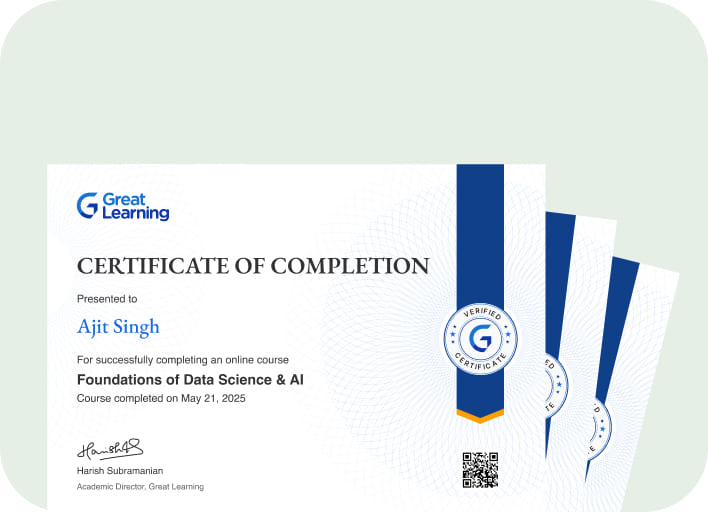
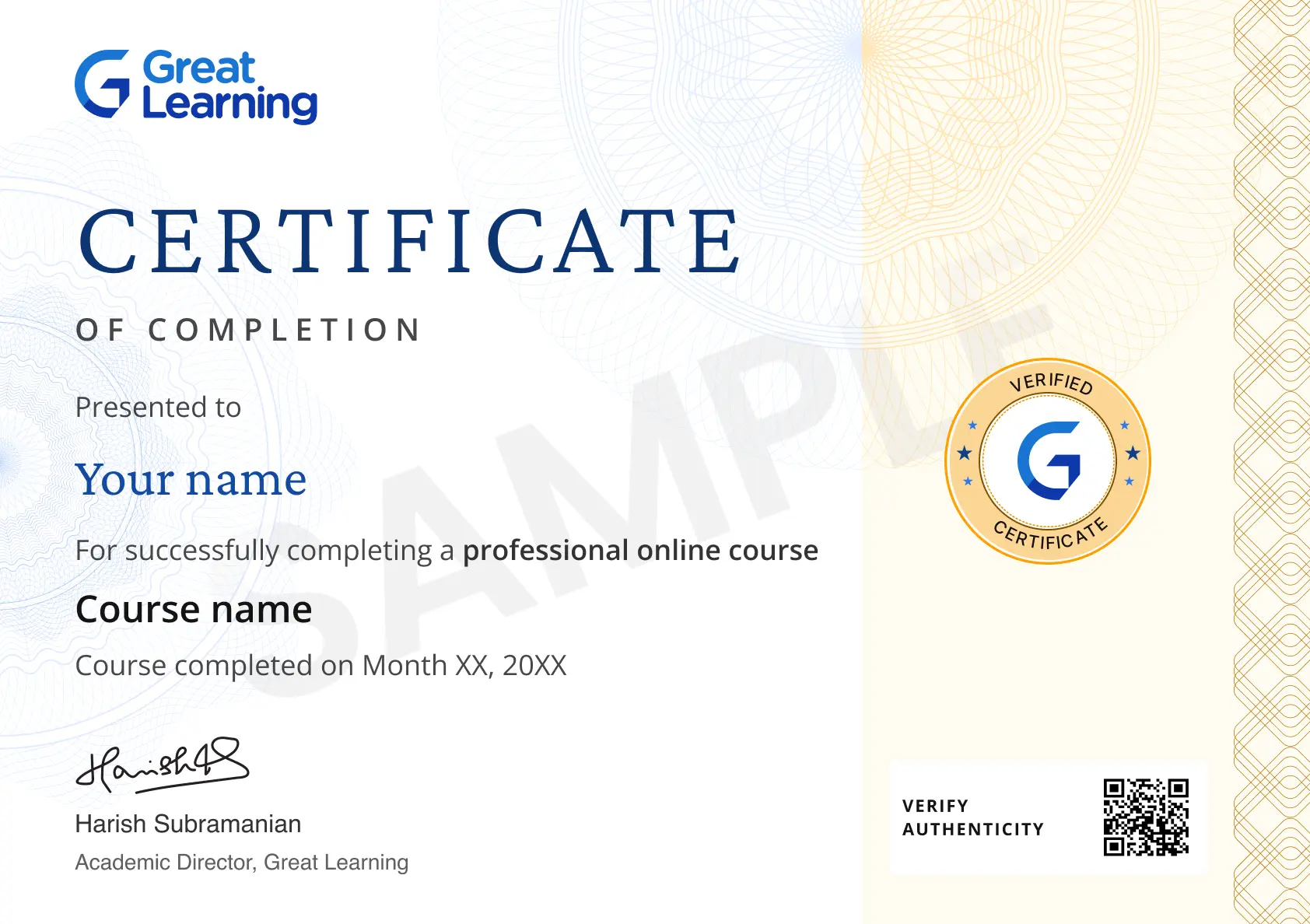
Stand out with an industry-recognized certificate

10,000+ certificates claimed, get yours today!

Get noticed by top recruiters

Share on professional channels

Globally recognised

Land your dream job

Certificate Image

Course outline

Exploring the Chemistry and Foundations of Life

In this module, you'll learn the scientific method, levels of biological organization, atomic structure and chemical bonding, water's properties, carbohydrates, lipids, proteins, and nucleic acids.

Understanding Cell Structure and Function

In this module, you'll learn cell theory, prokaryotic and eukaryotic cell structures, the plasma membrane, the nucleus, mitochondria and chloroplasts, the endomembrane system, the cytoskeleton, and membrane transport.

Powering Life: Cellular Energy and Metabolism

In this module, you'll learn ATP and cellular energy, enzyme kinetics, cellular respiration, glycolysis and the Krebs cycle, the electron transport chain, fermentation, and photosynthesis.

Decoding Genetics and Patterns of Heredity

In this module, you'll learn DNA structure and replication, chromosomes and genes, Mendelian genetics, Punnett squares, inheritance patterns, sex-linked traits, meiosis, and mutations.

Unlocking Molecular Biology and Gene Expression

In this module, you'll learn the central dogma, transcription, RNA processing, translation, the genetic code, gene regulation in prokaryotes and eukaryotes, and biotechnology applications.

Tracing Evolution and Natural Selection

In this module, you'll learn Darwin's theory of natural selection, evidence for evolution, mechanisms of evolutionary change, population genetics, speciation, phylogenetics, and human evolution.

Mapping Human Anatomy and Physiology

In this module, you'll learn the skeletal and muscular systems, the nervous system, the cardiovascular system, the respiratory system, the digestive system, the endocrine system, the immune system, and homeostasis.

Sustaining Ecosystems Through Ecology and Conservation

In this module, you'll learn population ecology, community interactions, energy flow and trophic levels, biogeochemical cycles, world biomes, human impact on ecosystems, and conservation biology.

Get access to the complete curriculum once you enroll in the course

Introduction to Biology

3.0 Hours

Beginner

Get free course content

Master in-demand skills & tools

Test your skills with quizzes

Trusted by 10 Million+ Learners globally

Frequently Asked Questions

Can you follow the free introductory biology course without a science background?

The course starts with the chemistry of living things and the parts of a cell. Those early lessons give you the vocabulary you need before you move on to topics like inheritance and ecosystems.

How does the course connect the parts of a cell with their jobs?

The cell biology lessons pair structures with tasks. For example, you can use what you learn about the cell membrane to explain why what enters or leaves a cell affects how that cell works.

Does the course compare photosynthesis and cellular respiration?

You compare how organisms capture energy to make sugars with how cells use those sugars to release energy. The lessons help you explain why plants carry out both processes instead of just one.

Will you learn how to follow an inherited trait?

The heredity lessons introduce Mendelian inheritance. You look at how different forms of a gene can pass from parents to offspring and why a visible trait may skip a generation in a simple example.

How is copying DNA different from using a gene?

DNA replication makes a copy of genetic information. Gene expression uses some of that information to make a product the cell needs. The molecular biology lessons help you tell those jobs apart.

What does natural selection explain in the evolution lessons?

You look at how inherited differences affect survival and reproduction in a particular environment. That helps you explain why a trait may become more common in a population over generations.

Where does human physiology fit into this biology course?

The human body lessons connect structures with the jobs they do. You use homeostasis to understand how body systems help keep conditions within a usable range even when the surroundings change.

How does the ecology section connect organisms to their surroundings?

The ecology lessons look at how living things interact with one another and with their environment. You learn to consider how a change in one part of a system can affect organisms elsewhere in it.

What will you learn about biodiversity and conservation?

The course connects biodiversity with how ecosystems work. The conservation lessons help you think about why a change that reduces the variety of living things can matter beyond a single species.

Which topics can help you choose what to study after introductory biology?
The cell and DNA lessons are a starting point for genetics or molecular biology. If you prefer studying relationships among organisms and their surroundings, the ecology lessons give you a base for that.

Subscribe to Academy Pro+ & get exclusive features

$29/month

No credit card required

Learn from 40+ Pro courses

Access 500+ certificates for free

700+ Practice exercises & guided projects

Prep with AI mock interviews & resume builder

Enroll For Free