Free ISO Integrated Management Systems Course

ISO Integrated Management Systems

Beginner level 3.0 learning hrs

Enroll in this free ISO integrated management systems course to see how teams coordinate work across several standards. You’ll learn to map shared requirements and use that map to plan an integrated system.
Key Highlights

Get free course content

Master in-demand skills & tools

Test your skills with quizzes

About this course

This free ISO integrated management systems course starts with a manufacturing example so you can see why teams might combine their systems for quality, the environment, and worker safety. The lessons introduce the structure that many ISO management system standards share. You learn how to map common requirements in a standards matrix and see where each discipline still needs its own controls.


After mapping requirements, you use a gap analysis to decide what the organization needs to put in place. The course shows how shared policies, process maps, and clear roles can support that plan. You then see what an internal audit can reveal about how the plan works and how management can use the findings to choose corrective actions. If you are new to compliance or operations, this gives you a way to follow an integration project from its first decisions through review and improvement.

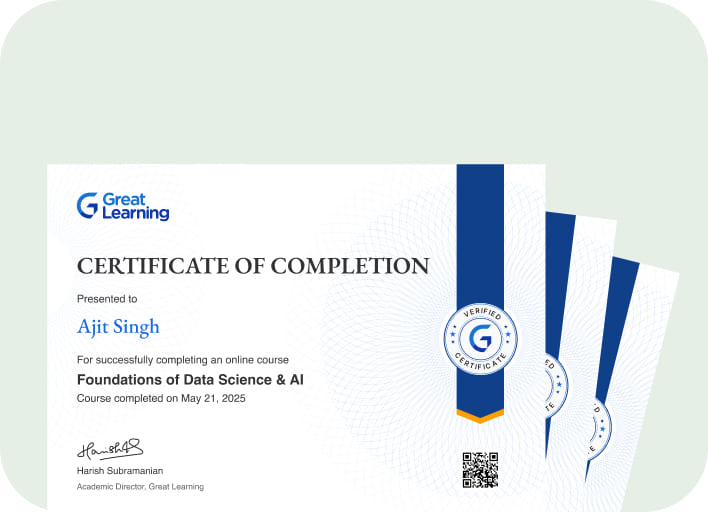
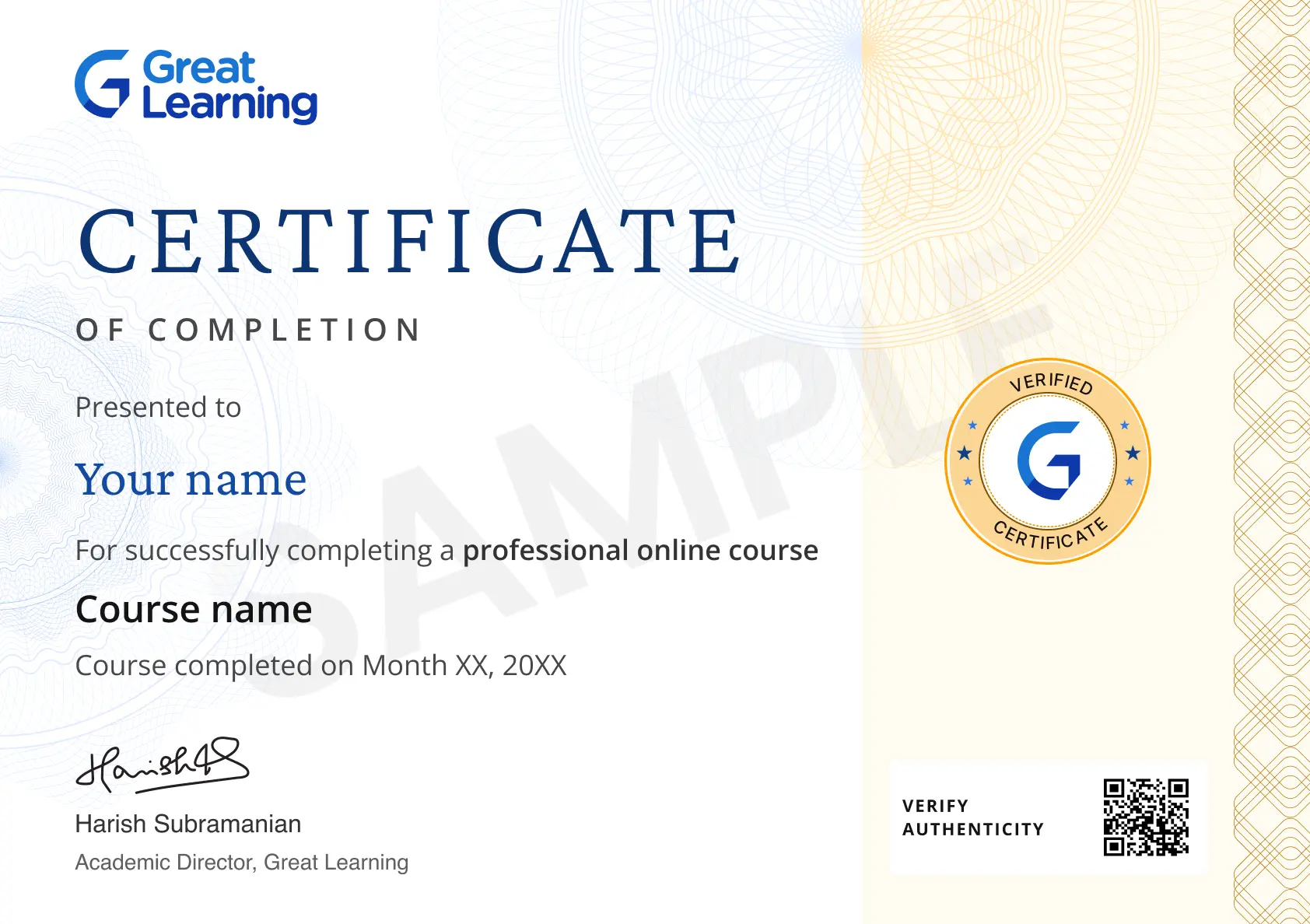
Stand out with an industry-recognized certificate

10,000+ certificates claimed, get yours today!

Get noticed by top recruiters

Share on professional channels

Globally recognised

Land your dream job

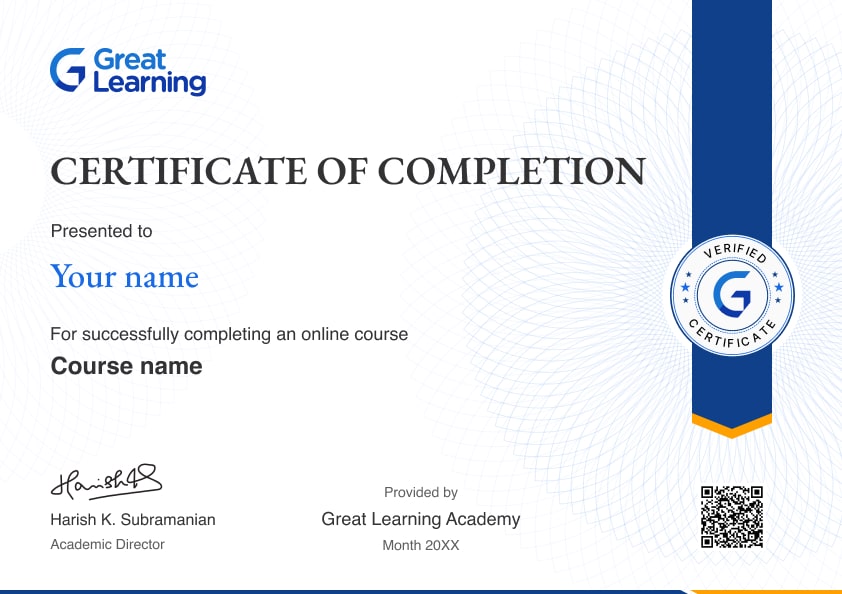
Certificate Image

Course outline

Understanding Integrated Management Systems and Annex SL

In this module, you'll learn why organizations integrate management systems, the Annex SL high-level structure, how ISO 9001, ISO 14001, and ISO 45001 align, shared terminology across standards, and how to set the scope of an IMS.

Establishing Context and Leadership Commitment

In this module, you'll learn to determine organizational context, identify interested parties, define IMS scope, build leadership commitment across standards, develop an integrated policy, and assign roles and responsibilities.

Planning Risks, Objectives, and Compliance

In this module, you'll learn risk-based thinking, environmental aspects and impacts assessment, occupational health and safety hazard identification, legal and other requirements, setting integrated objectives, and planning for change.

Aligning Support Processes Across Standards

In this module, you'll learn resource and competence planning, building employee awareness, communication planning, creating a shared documentation hierarchy, controlling documented information, and avoiding duplication across management systems.

Harmonizing Operational Controls Across Systems

In this module, you'll learn operational planning and control, environmental and occupational health and safety operational controls, managing outsourced processes and suppliers, design and development controls, emergency preparedness and response, and controlling nonconforming outputs.

Measuring Integrated System Performance

In this module, you'll learn monitoring, measurement, analysis and evaluation, customer satisfaction measurement, compliance obligations evaluation, planning and conducting integrated internal audits, and preparing inputs for management review.

Driving Improvement Through CAPA and Root Cause Analysis

In this module, you'll learn to identify nonconformities, apply root cause analysis, plan corrective and preventive actions, investigate incidents, track CAPA across functions, and drive continual improvement.

From Gap Analysis to IMS Certification

In this module, you'll learn to conduct an IMS gap analysis, build an implementation roadmap, prepare for Stage 1 and Stage 2 certification audits, work with certification bodies, and maintain certification through surveillance audits.

Get access to the complete curriculum once you enroll in the course

ISO Integrated Management Systems

3.0 Hours

Beginner

Get free course content

Master in-demand skills & tools

Test your skills with quizzes

Trusted by 10 Million+ Learners globally

Frequently Asked Questions

Can beginners follow the free ISO integrated management systems course?

The first lessons explain why management systems exist and use a manufacturing example to show why organizations combine them. You use that foundation to follow the later planning and audit lessons.

What does the shared ISO structure help you see?

You compare common clauses and terms across standards. That structure helps you spot where one process or record might meet several requirements and where you still need a separate control.

What would you put in a standards matrix?

You map requirements from the standards in scope to the processes or records that address them. The matrix gives you a way to find overlaps and see which requirements still lack a clear response.

Why do a gap analysis before combining systems?

A gap analysis compares current practices with what the integrated system needs. It helps you decide which work is already covered, which gaps need attention, and where to start the implementation plan.

How does process mapping help you assign responsibilities?

A process map shows how work moves from one person or team to the next. You learn to use it to identify unclear handoffs and decide who should own a step or keep evidence that it was completed.

What do the lessons cover about documenting an integrated system?

You look at how policies, procedures, and records fit together. The documentation lessons help you understand which information guides the work and which records show how the work actually happened.

How do suppliers fit into the implementation lessons?

The course includes suppliers because their work can affect how a control performs. You consider what expectations need to be communicated and where staff need to follow up when a supplier is involved.

What does an internal audit check in an integrated system?

An internal audit looks for evidence that agreed processes and controls work as intended. You learn how findings can point to gaps that need investigation, corrective action, or follow-up.

Why does management review matter after an audit?

Management review brings audit findings together with performance and risk information. It gives leaders a basis for choosing priorities and deciding where the system needs more support.

How can the Plan-Do-Check-Act cycle support improvement?
The course uses the cycle to connect a proposed change with a check of its results. You learn why teams should review the evidence before deciding whether to keep, adjust, or expand a change.

Subscribe to Academy Pro+ & get exclusive features

$29/month

No credit card required

Learn from 40+ Pro courses

Access 500+ certificates for free

700+ Practice exercises & guided projects

Prep with AI mock interviews & resume builder

Enroll For Free