
Robotics and AI Free Course
Robotics and AI
 4.52
Beginner level
1.5 learning hrs
4.52
Beginner level
1.5 learning hrs
Learn the fundamentals of Robotics and AI, including control systems, programming, and neural networks. Join this free AI Robotics course to build essential skills and stay up to date with the latest trends in robotics and AI.




About this course
This online AI Robotics course equips you with the foundational knowledge to understand the integration of robotics and artificial intelligence in real-world applications. You’ll learn the key components of robotics, including control systems, programming languages, and algorithms, alongside the fundamentals of AI and machine learning. The course highlights the symbiotic relationship between robotics and AI, demonstrating how AI enhances robotic capabilities and robotics advances AI. You'll gain hands-on experience programming robots, implementing AI algorithms such as neural networks, and applying AI to robotics for tasks such as computer vision and autonomous navigation.
With exposure to real-world applications across industries such as healthcare, manufacturing, and transportation, this artificial intelligence for robotics course will equip you with the tools to contribute to innovative AI-driven robotics solutions. To keep you current with the latest trends, the course also includes an overview of Recent Updates in Robotics and AI. Whether you're aiming for roles in research, development, or engineering, this course will provide a solid foundation for your career in the growing field of robotics and AI. By the end of this course, you’ll be equipped to pursue a career in robotics and AI. You will understand the essential skills needed, including programming, problem-solving, and collaboration, and be ready to tackle ethical considerations related to AI and robotics deployment.
Course outline
Introduction to Robotics and AI
Explore the fundamental concepts and principles of Robotics and Artificial Intelligence, their interrelationship, and their significance in various industries.
Relationship between Robotics and AI
Examine the symbiotic connection between Robotics and AI, understanding how AI enhances robotic capabilities and how robotics drives advancements in AI technologies.
Basics of Robotics
Learn the foundational components and principles of robotics, providing a comprehensive understanding of the field.
Control Systems, Algorithms, and Robot Programming Languages
Dive into control systems theory, algorithms, and programming languages used in robotics, enabling you to command and control robots effectively.
Basics of AI and ML
Gain an understanding of Artificial Intelligence (AI) and Machine Learning (ML) fundamentals, exploring algorithms, data analysis, and decision-making processes.
Neural Networks and AI Algorithms in Robotics
Discover how neural networks and advanced AI algorithms are applied in robotics, enabling robots to learn, adapt, and perform complex tasks.
Ethics and Safety in AI
Investigate ethical considerations and safety implications surrounding the use of AI in robotics, ensuring responsible development and deployment of AI-powered robots.
Robotics and AI in the Real World
Explore real-world applications of Robotics and AI across various industries, including healthcare, manufacturing, transportation, and more.
AI Applications in Robotics
Examine specific applications of AI in robotics, such as computer vision, natural language processing, and autonomous navigation systems.
Ethical Considerations of using AI and Robotics
Discuss the ethical challenges and considerations associated with the integration of AI and robotics into society, addressing issues of privacy, bias, and transparency.
Career Paths in Robotics and AI
Explore different career paths available in the field of Robotics and AI, including roles in research, development, engineering, and management.
Skills Required for a Career in Robotics and AI
Identify the essential skills and knowledge necessary to pursue a successful career in Robotics and AI, including programming, problem-solving, and collaboration.
Additional Resources and Next Steps in Robotics and AI
Access supplementary resources, further learning opportunities, and guidance on how to continue your journey in Robotics and AI.
Get access to the complete curriculum once you enroll in the course
 4.52
4.52
Level up with advanced skills & become job ready with Pro+
Subscribe to Pro+ today to build skills with 50+ Pro courses and prep for jobs with advanced AI tools.
 PRO
PRO


Practice exercises
Guided Projects
AI Resume Builder
AI mock interviews






 India
India
 India
India

 Saudi Arabia
 India
India
 India
India

 Spain
Spain

 India
India
 India
India

Frequently Asked Questions
Will I receive a certificate upon completing this free course?
Is this course free?
What are the prerequisites required to learn this Free Robotics and AI Course?
You do not need any prior knowledge to learn this Free Robotics and AI Course.
What will I learn in this AI and robotics course?
This AI and robotics course introduces you to Robotics fundamentals and Artificial Intelligence basics. You will learn about control systems, robot programming languages, AI, and machine learning concepts such as neural networks; real-world applications; evaluating AI algorithms in robotics; and ethical issues in autonomous systems.
How long does it take to complete this free Free Robotics and AI Course?
Robotics and AI is a 1.0-hour long course, but it is self-paced. Once you enrol, you can take your own time to complete the course.
Is this AI and robotics course for beginners?
Yes. This AI and robotics course for beginners requires no prior experience. It starts with basics in both Robotics and AI, making it suitable for first-time learners.
Will I have lifetime access to the free course?
Yes, once you enrol in the course, you will have lifetime access to any of the Great Learning Academy’s free courses. You can log in and learn whenever you want to.
How long does this artificial intelligence for robotics course take?
The free AI and robotics course includes about 1.5 hours of learning content. You can complete it at your own pace since it is self-paced.
Is it worth learning this Free Robotics and AI Course?
If you are interested in pursuing a career in Artificial Intelligence or related fields, this course can be a great starting point to gain an understanding of Machine Learning and develop practical skills and gaining knowledge.
What skills will I gain from this free AI and robotics course?
You will develop foundational skills in:
Robotics basics and robot design
Programming robots with languages like Python and C++
AI and machine learning concepts
Neural networks and algorithm design
Real-world robotics applications and ethics
Will I get a certificate after completing this Free Robotics and AI Course?
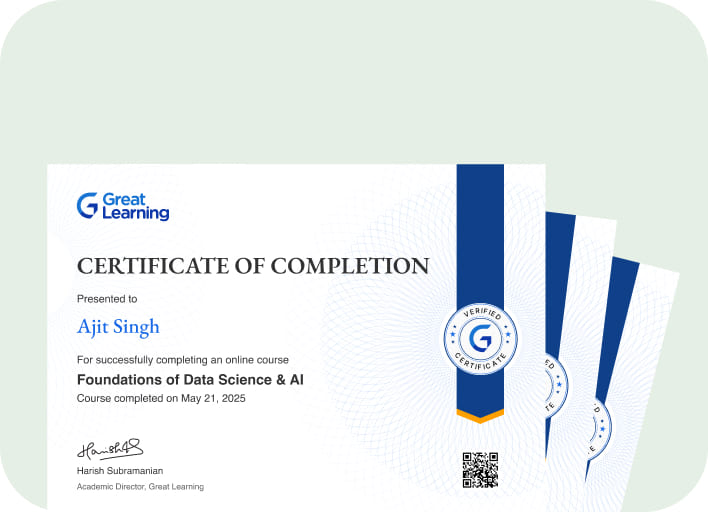
Yes, you will get a certificate of completion after completing all the modules and cracking the assessment.
What topics will be covered in this AI and robotics course for beginners?
You will be learning the following modules in this course:
- Introduction to Robotics and AI
- Relationship between Robotics and AI
- Basics of Robotics
- Control Systems, Algorithms, and Robot Programming Languages
- Basics of AI and ML
- Neural Networks and AI Algorithms in Robotics
- Ethics and Safety in AI
- Robotics and AI in the Real World
- AI Applications in Robotics
- Ethical Considerations of using AI and Robotics
- Career Paths in Robotics and AI
- Skills Required for a Career in Robotics and AI
- Additional Resources and Next Steps in Robotics and AI
Is there any limit on how many times I can take this free course?
No. There is no limit. Once you enrol in the Free Robotics and AI Course, you have lifetime access to it. So, you can log in anytime and learn it for free online.
Does this course explain real-world applications of AI in robotics?
Yes. The curriculum includes practical examples such as AI-driven navigation, computer vision in robots, and applications in healthcare, manufacturing, and transportation.
Will this AI and robotics course help my career?
Yes. The artificial intelligence for robotics course equips you with foundational knowledge useful for roles in research, development, engineering, automation, and robotics system integration.
Can I access this AI robotics course online anytime?
Yes. Once you enroll, you get lifetime access to the course content. You can revisit lessons whenever you want.
Become a Skilled Professional with Pro Courses
Gain work-ready skills with guided projects, top faculty and AI tools, all at an affordable price.







.jpg)








.jpg)

.jpg)
.png)

.png)
.png)
.png)
.png)
.png)
.png)
.png)
.png)
.png)


.png)
.png)
.png)
.png)

.png)
.jpg)
.jpg)
.png)
.png)

.jpeg)
.jpg)

 (1).jpg)
.png)
.png)

.png)
.png)
.png)
.jpg)


.png)



 (1).png)


.png)
.png)
Recommended Free AI courses
.jpg)
 FREE
FREE
 FREE
FREE
 FREE
FREE
.jpg)
Related Artificial Intelligence Courses

-

Johns Hopkins University
Certificate Program in AI Business Strategy10 weeks · Online
Know More
-
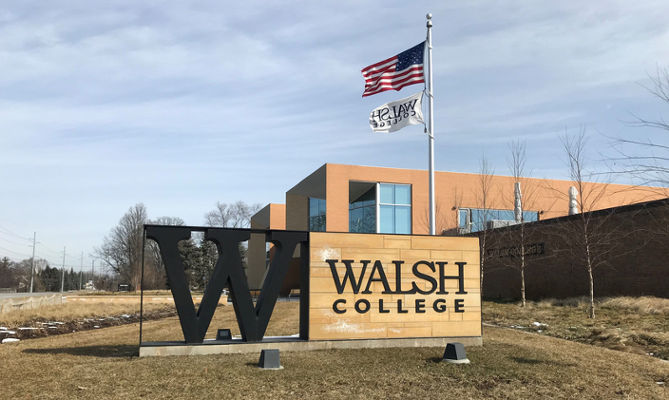
Walsh College
MS in Artificial Intelligence & Machine Learning2 Years · Online
Know More
-
MIT Professional Education
No Code and Agentic AI12 Weeks · Online · Weekend
Learn from MIT FacultyKnow More





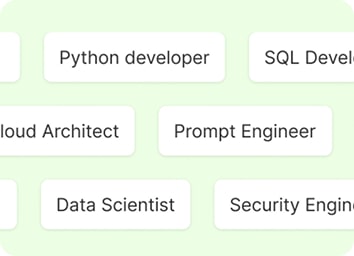
Relevant Career Paths >
Other Artificial Intelligence tutorials for you
Robotics and AI
Robotics and artificial intelligence (AI) have emerged as groundbreaking technologies that are transforming various aspects of our lives. By combining the power of automation and intelligent decision-making, robotics and AI are reshaping industries, enhancing productivity, and revolutionizing human-machine interactions. Robotics is the field that deals with the design, development, and operation of robots. These robots can be physical machines or virtual agents capable of executing tasks autonomously or with minimal human intervention. Integrating AI into robotics has unlocked new possibilities by enabling devices to perceive, reason, and act in real-world environments.
AI plays a pivotal role in robotics by endowing machines with cognitive abilities. Machine learning, a subset of AI, enables robots to learn from data and improve their performance over time. With advanced algorithms and neural networks, robots can analyze vast amounts of information and make informed decisions based on patterns and trends. This enables them to adapt to changing circumstances, optimize processes, and achieve higher levels of efficiency. In industrial settings, robotics and AI have revolutionized manufacturing processes. Robots equipped with AI capabilities can handle repetitive and dangerous tasks with precision and accuracy, improving overall product quality and reducing the risk of human error. They can operate continuously, enhancing productivity and enabling companies to meet increasing demands.
Beyond manufacturing, robotics and AI are making significant strides in healthcare. Surgical robots, guided by AI algorithms, assist surgeons in performing intricate procedures with precision and minimal invasiveness. AI-powered diagnostic systems analyze medical images and patient data to provide accurate diagnoses and personalized treatment plans. Robotics also aids in physical rehabilitation, assisting patients in their recovery and enhancing therapy outcomes. Transportation is another domain where robotics and AI are making significant headway. Self-driving vehicles, powered by AI algorithms, have the potential to revolutionize the way we commute, reducing accidents and improving traffic efficiency. Drones with AI systems are employed for various purposes, including aerial inspections, delivery services, and disaster response.
Integrating robotics and AI is not limited to industrial and professional settings. AI-powered virtual assistants like Siri, Alexa, and Google Assistant have become integral to our daily lives, providing us with information, performing tasks, and controlling smart home devices. Social robots are being developed to assist the elderly and individuals with disabilities, offering companionship and support. However, the rapid advancement of robotics and AI also raises ethical and societal concerns. The potential impact on employment and the displacement of specific job sectors require careful consideration. Ensuring transparency, accountability, and ethical use of AI technologies is crucial to mitigate biases and prevent unintended consequences.
In conclusion, robotics and AI have opened up new frontiers of innovation and are transforming industries and everyday life. The fusion of automation and intelligent decision-making has empowered machines to perform complex tasks, enhance productivity, and improve the quality of human life. As these technologies continue to evolve, it is essential to navigate the challenges responsibly, ensuring a harmonious integration of robotics and AI into our society.