1000+ Courses for Free
Free Accounting Courses




University & Pro Programs
 PRO
PRO

.png)
Free Accounting Courses

 BASICS
.jpg)

.jpg)



Learn Accounting For Free
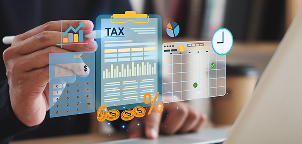
These free accounting courses online cover foundational topics in accounting and finance, providing a clear path for learners of all levels. Whether you're starting with bookkeeping basics to track daily transactions or looking to build on your knowledge with financial accounting, taxation, and business finance, these courses offer the essential skills needed to manage finances effectively.
You’ll learn how to apply accounting principles such as debits, credits, and GAAP, and gain hands-on experience in creating and analyzing financial statements like balance sheets, income statements, and cash flow reports. Additionally, the courses cover managerial accounting techniques to aid in business decision-making and improve your understanding of financial management. By mastering these concepts, you'll be well-equipped to take on roles in accounting, financial management, or tax planning, making these courses ideal for anyone seeking to enhance their financial knowledge and career opportunities.
Skills You’ll Gain in These Best Free Accounting Courses
Financial Accounting & Reporting: Learn to analyze balance sheets, income statements, and cash flow statements.
Bookkeeping Basics: Essential for tracking daily transactions.
Excel for Accounting: Specialized training for, formulas, functions, pivot tables, and data analysis.
Accounting Principles: Understanding debits, credits, and GAAP.
Managerial & Cost Accounting: Understand internal reporting, budgeting, and cost analysis.
Corporate Finance & Valuation: Discounted cash flow (DCF) modeling and business valuation.
- Taxation & Auditing: Fundamentals of tax compliance and forensic accounting.



 India
India
LinkedIn Profile


LinkedIn Profile
 India
India
LinkedIn Profile

 Malaysia
LinkedIn Profile

 United States
LinkedIn Profile

 Qatar
Qatar
LinkedIn Profile
 India
India
LinkedIn Profile
 India
India
LinkedIn Profile
 India
India
LinkedIn Profile
 Malaysia
LinkedIn Profile
Frequently Asked Questions
What will I learn in these free accounting courses?
In these best free accounting courses, you’ll acquire essential skills in bookkeeping, financial reporting, and business finance. You will learn to prepare balance sheets, income statements, and cash flow statements, along with key concepts like the double-entry system, taxation, and payroll management. These free accounting courses online are designed to give you hands-on experience in managing financial data and making informed financial decisions.
How much do these accounting courses cost?
It is the entirely free courses list from Great Learning Academy. Anyone interested in learning the basics of accounting can get started with these courses.
How will these courses help me in my career?
These free accounting courses will provide you with practical knowledge that is essential for career advancement in accounting roles. Whether you're aiming for positions like financial analyst, accountant, or payroll manager, these courses will help you build a strong foundation in accounting. Completing free accounting courses for beginners will allow you to start your career with confidence and expand your skillset for more advanced roles in the future.
Is there any limit on how many times I can take these free courses?
Once you enroll in the accounting courses, you have lifetime access to it. So, you can log in anytime and learn it for free online.
What skills will I gain from these free accounting courses?
Financial Reporting: Understand how to prepare and analyze balance sheets, profit and loss statements, and cash flow reports. Bookkeeping: Master the double-entry system and learn essential bookkeeping practices. Tax Management: Gain knowledge of taxation laws and how to manage taxes for individuals and businesses. Payroll Management: Learn payroll processing using tools like Tally ERP9 and Excel. Business Finance: Develop skills to manage company finances, evaluate investments, and analyze cash flow.
Can I sign up for multiple courses from Great Learning Academy at the same time?
How long do these free accounting courses take to complete?
Most of these free accounting courses online take between 1 and 3 hours, making them perfect for busy professionals or anyone looking to gain new skills quickly. These free accounting courses for beginners are designed to fit into your schedule and give you practical knowledge in a short amount of time.
Why choose Great Learning Academy for these accounting courses?
Great Learning Academy is an initiative by Great Learning, a leading e-learning platform, offering free, industry-relevant online courses.
The free content marketing courses range from beginner to advanced levels, helping learners choose the right course based on their skills and career goals. For Advanced Courses Check our Pro Courses.What are the steps to enroll in these accounting courses?
What modules are covered in these accounting courses?
These best free accounting courses cover vital accounting modules such as:
Basic Accounting and Bookkeeping
Financial Accounting and Reporting
Business Finance Foundations
Taxation and Payroll Management
Corporate Finance and Capital Budgeting
Each module is designed to build a strong understanding of accounting principles and their real-world applications.
What tools will I learn to use in these courses?
You’ll become proficient in using tools like:
Tally ERP9 for payroll management and financial accounting.
Microsoft Excel for managing financial records and performing calculations.
Accounting software for preparing and analyzing financial statements.
Will I have lifetime access to these free accounting courses?
Can I learn about financial analysis in these courses?
Yes, these free accounting courses online will teach you how to conduct financial analysis. You’ll learn how to interpret balance sheets, income statements, and cash flow reports, which are crucial for making sound financial decisions for businesses.
Are these courses suitable for beginners?
Yes. These free accounting courses for beginners are perfect for those just starting to learn accounting. They will help you build a solid foundation in financial accounting, bookkeeping, and basic business finance concepts.
How will these courses improve my financial decision-making?
By completing these courses, you will develop the skills needed to analyze financial data, make informed decisions about budgeting and investments, and manage business or personal finances with confidence
How will these courses help me with business finance?
These best free accounting courses will teach you how to manage business finances by understanding financial statements, preparing budgets, evaluating cash flow, and making smarter financial decisions. This is crucial for anyone looking to handle finances in a business environment.
How will these courses help with career advancement in accounting?
Completing these free accounting courses online will give you the necessary skills to excel in accounting roles. By understanding key concepts like bookkeeping, financial reporting, and tax management, you’ll be better positioned to advance your career in accounting and finance.
Can these courses prepare me for tax management?
Yes, these free accounting courses include important modules on taxation. You will learn the fundamentals of tax laws, tax planning, and how to manage taxes for individuals and businesses, making this an essential skill for those interested in tax-related roles.
How can these accounting courses help me with bookkeeping?
These best free accounting courses cover the fundamentals of bookkeeping, including the double-entry system, managing financial records, and balancing books. These skills are crucial for anyone looking to handle business finances or personal accounting effectively.
What kind of job roles can these accounting courses prepare me for?
These free accounting courses for beginners will prepare you for roles such as:
Bookkeeper
Payroll Manager
Financial Analyst
Tax Consultant
The skills gained in these courses are highly applicable to a wide range of accounting and finance jobs.
What are the benefits of learning financial accounting?
Learning financial accounting through these free accounting courses will help you interpret and prepare financial statements, manage business finances, and understand financial performance. These skills are essential for accounting roles and for anyone looking to manage personal or business finances efficiently.
What type of real-world projects will I work on?
These courses include practical exercises such as:
Preparing financial statements.
Budgeting and cash flow analysis.
Using accounting software for payroll and tax management.
Media spotlight and awards
-

Wharton Online Kickstarts the First Cohort for Its 12-Week Advanced Digital Marketing and Growth Strategies Program in Collaboration With Great Learning
Read Article
-
3 ways women can reach the C-suite even though research shows the odds are against them
Read Article
-
Helping High School Students Develop Real-Life Tech Skills
Read Article
-
How this leader is morphing education to meet the needs of today’s economy
Read Article
-
How Upskilling Can Help You Advance in Your Career
Read Article
-
OPINION: Companies will be more likely to retain top talent by investing in employees’ professional growth and development
Read Article
-
Learning opportunities will cultivate a talented, motivated workforce
Read Article
-
Great Learning Collaborates with Wharton Online to Expand Access to Premier Business Courses
Read Article
-
The Great Resignation & The Future Of Work: Mohan Lakhamraju Of Great Learning On How Employers and Employees Are Reworking Work Together
Read Article
-
Hispanic Heritage Month: Great Learning celebrates the inspiring stories of resilience and courage of its Hispanic American Learners
Read Article