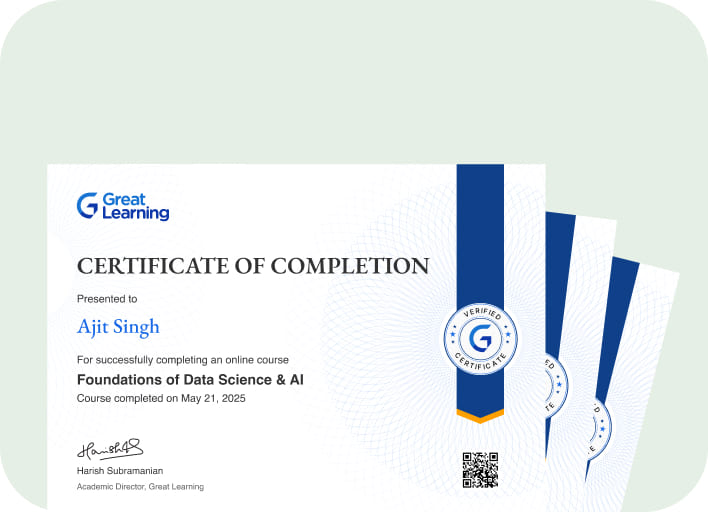
Earn a certificate & get recognized
Pricing Strategies of Business
 4.13
Beginner level
3.0 learning hrs
4.13
Beginner level
3.0 learning hrs
Enroll in this free Pricing Strategies of Business course to learn from out experts on Pricing strategies, Multiple product pricing, Meaning and concept of dumping and more. Start today and enhance your knowledge!




About this course
This free course on Pricing Strategies of Business covers essential topics that will give you a solid understanding of the various pricing strategies businesses use. We start by introducing pricing strategies and why they are vital for businesses. Then we dive into Cost Plus Pricing, a simple and straightforward pricing strategy that many businesses use. You'll learn how to calculate the cost of producing a product or service and how to add a markup to determine the final price.
Next, we cover Multiple Product Pricing, where businesses offer multiple products or services at different prices to increase revenue. Transfer Pricing is a strategy used by businesses that operate in different countries. It involves setting prices for products or services sold between different divisions or subsidiaries of the same company in different countries. Finally, we'll cover Pricing under Dumping, a controversial pricing strategy that involves selling products at a lower price than what they cost to produce. We'll discuss the reasons behind this strategy, how it affects the market, and the ethical considerations that businesses need to keep in mind. Join our free course to gain the knowledge you need to succeed!
Course outline
Get access to the complete curriculum once you enroll in the course
 4.13
4.13






 India
India

 India
India
Frequently Asked Questions
Will I receive a certificate upon completing this free course?
Is this course free?
What are the prerequisites required to learn this Pricing Strategies of Business Course?
You do not need any prior knowledge except knowing what Price Strategy is1 to learn this Pricing Strategies of Business Course.
How long does it take to complete this free Pricing Strategies of Business course?
Pricing Strategies of Business course is a 2.0-hour long course but it is self-paced. Once you enroll, you can take your own time to complete the course.
Will I have lifetime access to the free course?
Yes, once you enroll in the course, you will have lifetime access to any of the Great Learning Academy’s free courses. You can login and learn whenever you want to.
Will I get a certificate after completing this Pricing Strategies of Business Free course?
Yes, you will get a certificate of completion after completing all the modules and cracking the assessment.
How much does this Pricing Strategies of Business Course cost?
It is an entirely free course from Great Learning Academy. Anyone interested in learning Pricing Strategies of Business can start this course.
Is there any limit on how many times I can take this free course?
Once you enroll in the Pricing Strategies of Business Course, you have lifetime access to it. So, you can log in anytime and learn it for free online.
Who is eligible to take this Pricing Strategies of Business Course ?
You do not need any prerequisites to learn the course, so enroll today and learn it for free online.
Become a Skilled Professional with Pro Courses
Gain work-ready skills with guided projects, top faculty and AI tools, all at an affordable price.
 PRO
PRO








 (1).jpg)
.jpg)
.png)







.jpeg)

.png)
.png)
.jpg)

.png)
.png)
.png)
.png)
.png)
.png)
.png)







.png)
.png)
.png)
.png)


.png)
.jpg)
.jpg)
.png)
.png)


.png)
.png)
.jpg)


.png)
.png)
.jpg)
.png)
.jpg)



.png)




 (1).png)





.png)
.png)

Recommended Free Management courses
 FREE
FREE
 FREE
FREE
 FREE
FREE
 FREE
FREE

Similar courses you might like
FREE
 FREE
FREE
 FREE
FREE
 FREE
FREE
.jpg)
Related Management Courses

-
Sponsored

Great Lakes Institute of Management
Post Graduate Diploma in Management (Online)24 Months · Online
Online MBA EquivalentKnow More
-
Walsh College
Doctor of Business Administration in General Management3 Years · Online
Top 10 best online DBA DegreeKnow More
-
Great Lakes Executive Learning
Executive PG Program in Management12 months · Online
Certificate from Great LakesKnow More






Relevant Career Paths >



Pricing Strategies for Business
Pricing strategies are a crucial element of any business strategy, as they determine the amount a business will charge for its products or services. The pricing strategy adopted by a business can have a significant impact on its success or failure. In this article, we will discuss some of the most common pricing strategies used by businesses.
- Cost-plus pricing strategy: This is a simple pricing strategy that involves adding a markup to the cost of producing a product or providing a service. The markup covers the business's overhead costs and profit margin. This strategy is commonly used by small businesses that have a limited range of products or services.
- Value-based pricing strategy: In this strategy, the price of a product or service is based on the perceived value it offers to customers. This strategy is particularly useful for businesses that offer unique or high-value products or services. For example, a luxury car manufacturer may charge a high price for its cars because customers perceive them to be of high value.
- Penetration pricing strategy: This strategy involves setting a low price for a new product or service to penetrate the market and gain market share. This strategy is commonly used by businesses that are new to the market or are introducing a new product or service. The aim is to attract customers with low prices and build a customer base that can be leveraged for future sales.
- Skimming pricing strategy: This strategy involves setting a high price for a new product or service with the aim of maximizing profits before competitors enter the market. This strategy is commonly used by businesses that offer innovative or unique products or services that cannot be easily replicated. The high price helps to recoup the costs of research and development and generate profits before competitors enter the market.
- Dynamic pricing strategy: This strategy involves adjusting prices in real time based on market demand and other external factors. This strategy is commonly used by businesses in the travel and hospitality industries, where prices fluctuate based on supply and demand. Dynamic pricing can help businesses optimize their prices and maximize profits.
- Bundle pricing strategy: This strategy involves offering a bundle of products or services at a discounted price. This strategy is commonly used by businesses that offer complementary products or services. For example, a software company may offer a bundle of its products at a discounted price to encourage customers to buy more than one product.
- Psychological pricing strategy: This strategy involves setting prices that appeal to customers' emotions and perceptions. For example, setting a price at $9.99 instead of $10 can create the perception of a lower price, even though the difference is only one cent. This strategy can be effective in attracting price-sensitive customers.
- Freemium pricing strategy: This strategy involves offering a basic version of a product or service for free and charging for premium features or services. This strategy is commonly used by software companies that offer a basic version of their product for free and charge for advanced features. The aim is to attract a large user base and monetize through premium services.
In conclusion, choosing the right pricing strategy is essential for businesses to succeed in today's competitive market. Each strategy has its advantages and disadvantages, and businesses must carefully consider their product or service, target market, and the competition before deciding on a pricing strategy. A well-executed pricing strategy can help businesses optimize their profits, build a loyal customer base, and gain a competitive advantage in the market.