
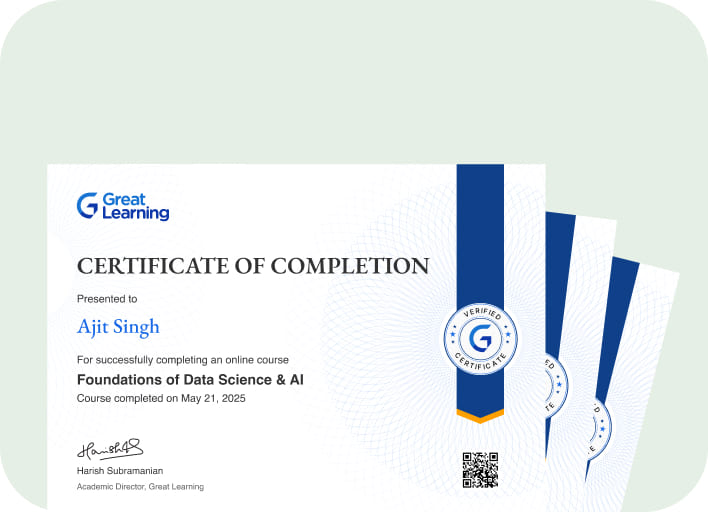
Earn a certificate & get recognized
Introduction to Google Ads Campaign
 4.52
Beginner level
6.75 learning hrs
4.52
Beginner level
6.75 learning hrs
Master the essentials of Google Search, Video, Display, App, and Discovery Campaigns. Unlock the power of targeted marketing and boost your digital presence.




About this course
Unlock the full potential of your business with our free course, 'Introduction to Google Ads Campaign.' This comprehensive program is designed to guide you through the vibrant world of Google advertising. Delve into the Google Search Campaign, mastering the art of visibility in Google's search results. Explore the Google Video Campaign to captivate audiences through dynamic video content. Learn to create impactful visual ads with the Google Display Campaign. Drive app promotion and engagement with the Google App Campaign. Lastly, discover the innovative Google Discovery Campaign for reaching users across Google's platforms. Elevate your marketing strategy by harnessing the power of each Google campaign.
Ready to take your Digital Marketing knowledge to the next level? Check out our Postgraduate Program in Strategic Digital Marketing and turn your passion into a profession.
Course outline
Google Search Campaign
This module offers a concise yet comprehensive introduction to Google Search Campaigns, covering essential topics such as key terms, phrase matching, Google Ads setup, ad group organization, keyword planning, and billing understanding. This module provides a foundational skill needed to create, manage, and optimize effective Google Ads campaigns.
Google Video Campaign
This module provides an in-depth exploration of Google Video Campaigns, encompassing various aspects from understanding different campaign types and targeting methods to setting up custom audiences. It begins with an introduction to video campaigns, moves through essential prerequisites, guides through campaign creation, and concludes with finalizing campaign parameters. This module equips learners with the skills to effectively leverage video content in their marketing strategies.
Google Display Campaign
This module delves into the Google Display Network (GDN), offering a detailed understanding of its importance and the various types available. It covers crucial aspects including types of targeting, prerequisites for campaign setup, campaign creation, audience targeting, topic targeting, and the integration of images and videos.
Google App Campaign
This module provides an in-depth look into Universal App Campaigns (UAC), starting with an introduction to UAC and its significance in the app marketing landscape. It outlines the essential prerequisites needed before launching a campaign, followed by detailed guidance on the initial steps of launching a Google App Campaign. This module is key for mastering the art of promoting apps effectively through Google's advertising ecosystem.
Google Discovery Campaign
This module offers a comprehensive guide to Google Discovery Campaigns, beginning with an introduction and essential prerequisites. It provides step-by-step instructions for setting up a Discovery campaign, including detailed insights into audience selection and various campaign options. Further it leads the learners through the process of launching their Discovery campaign, emphasizing practical skills and strategic thinking. This module helps learners to leverage Google's Discovery network for engaging potential customers with personalized ad content across Google's platforms.
Get access to the complete curriculum once you enroll in the course
 4.52
4.52










 India
India


 South Africa

 Italy
Italy
 India
India

 India
India
What our learners enjoyed the most
Skill & tools
72% of learners found all the desired skills & tools
Frequently Asked Questions
Will I receive a certificate upon completing this free course?
Is this course free?
What prerequisites are required to enrol in this Google ads campaign course?
You do not need any prior knowledge to enrol in this Google ads campaign course.
How long does it take to complete this Google ads campaign course?
It is a 1.0 hour long course, but it is self-paced. Once you enrol, you can take your own time to complete the course.
Will I have lifetime access to the free course?
Yes, once you enrol in the course, you will have lifetime access to any of the Great Learning Academy’s free courses. You can log in and learn whenever you want to.
Will I get a certificate after completing this Google ads campaign course?
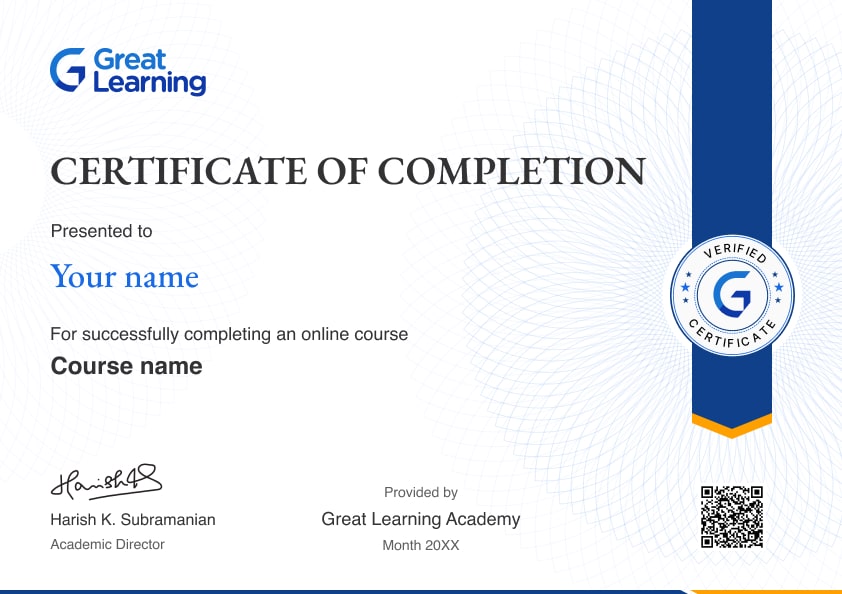
Yes, you will get a certificate of completion after completing all the modules and cracking the assessment.
How much does this Google ads campaign course cost?
It is an entirely free course from Great Learning Academy.
Is there any limit on how many times I can take this free course?
No. There is no limit. Once you enrol in the Google ads campaign course, you have lifetime access to it. So, you can log in anytime and learn it for free online.
Who is eligible to take this Google ads campaign course?
You do not need any prerequisites to take the course, so enroll today and learn it for free online.
Become a Skilled Professional with Pro Courses
Gain work-ready skills with guided projects, top faculty and AI tools, all at an affordable price.
 PRO
PRO








.jpg)





 (1).jpg)
.png)
.jpg)

.jpg)
.png)

.png)





.png)


.png)
.jpg)
.jpg)

.png)
.png)
.png)

.png)
.png)
.png)


.png)
.png)
.png)
.png)
.png)


.png)
.jpeg)
.jpg)

.png)
.png)

.png)
.png)



.png)
.png)
.png)
.jpg)




.png)




 (1).png)


Recommended Free Digital Marketing courses
 FREE
FREE
.png) FREE
FREE
 FREE
FREE
 FREE
FREE

Similar courses you might like
FREE
 FREE
FREE
 FREE
FREE
 FREE
FREE

Related Digital Marketing Courses

-

Great Lakes Executive Learning
PGP in Strategic Digital Marketing6 Months · Online · Weekend
Dedicated Career SupportKnow More
-
FOM University
Master of Business Administration (MBA)18 Months · Study in Germany
No GRE/GMAT requiredKnow More




Relevant Career Paths >



Other Digital Marketing tutorials for you
Google Ads Campaign
Google Ads is a powerful online advertising platform that allows businesses to promote their products and services through targeted ads displayed on Google's search engine and its advertising network. A well-structured Google Ads campaign can significantly enhance a company's online visibility, drive targeted traffic, and increase conversions. Let's explore the key components and strategies involved in creating and managing a successful Google Ads campaign.
Key Components of a Google Ads Campaign:
Campaign Structure:
Google Ads campaigns are organized hierarchically, starting with the campaign level. Within a campaign, you have ad groups, and within ad groups, you create individual ads and select keywords. The campaign structure allows for better organization, targeting, and tracking of performance metrics.
Keyword Research:
Keywords are the foundation of a Google Ads campaign. Conduct thorough keyword research to identify terms relevant to your products or services. Use tools like the Google Keyword Planner to discover keywords with sufficient search volume and relevance to your business.
Ad Groups:
Ad groups help organize your keywords and ads. Group related keywords together within ad groups to ensure that your ads are highly relevant to the user's search intent. This also allows you to create targeted ad copy for each specific group of keywords.
Ad Copy:
Compelling ad copy is crucial for attracting clicks. Craft concise and relevant ad headlines and descriptions that clearly communicate your value proposition. A/B testing different ad variations can help identify the most effective messaging.
Landing Pages:
Each ad should lead to a relevant and well-designed landing page. The landing page should provide a seamless experience from the ad, reinforcing the message and making it easy for visitors to take the desired action, whether it's making a purchase, filling out a form, or contacting your business.
Bid Strategy:
Google Ads provides various bid strategies, including manual bidding, automated bidding, and enhanced cost-per-click (eCPC). Choose a bid strategy based on your campaign goals, budget, and desired level of control over bids.
Ad Extensions:
Ad extensions enhance your ads by providing additional information, such as site links, phone numbers, or location information. Utilize ad extensions to make your ads more informative and increase the chances of attracting clicks.
Tracking and Analytics:
Implement conversion tracking to measure the effectiveness of your ads. This allows you to see which keywords and ads are driving valuable actions on your website. Use Google Analytics to gain deeper insights into user behavior and optimize your campaign based on performance data.
Strategies for Success:
Targeting Options:
Leverage Google Ads' targeting options to reach your ideal audience. This includes geographic targeting, device targeting, demographic targeting, and more. Tailor your campaign settings to align with your business objectives and the characteristics of your target audience.
Budget Management:
Set a realistic budget for your campaign and allocate it based on the performance of individual keywords and ad groups. Regularly monitor and adjust your budget to ensure you're getting the most value for your advertising spend.
Continuous Optimization:
Google Ads is dynamic, and the online landscape evolves. Regularly optimize your campaign by analyzing performance data, refining ad copy, adjusting bids, and testing new keywords. Optimization is an ongoing process that ensures your campaign stays effective and efficient.
Quality Score Improvement:
Google assigns a Quality Score to your keywords based on factors like click-through rate (CTR), ad relevance, and landing page experience. A higher Quality Score can lead to better ad placements and lower costs per click. Focus on improving your Quality Score through targeted ads and landing page optimization.
Ad Schedule and Bid Adjustments:
Analyze when your target audience is most active and adjust your ad schedule accordingly. Use bid adjustments to increase or decrease bids during specific times of the day or on certain devices to optimize for performance.
In conclusion, a well-executed Google Ads campaign involves careful planning, ongoing optimization, and a deep understanding of your target audience. By strategically selecting keywords, creating compelling ad copy, optimizing landing pages, and leveraging Google Ads' targeting options, businesses can maximize their online visibility and drive meaningful results. Regular monitoring and adaptation based on performance data are essential for long-term success in the competitive landscape of online advertising.